|
|
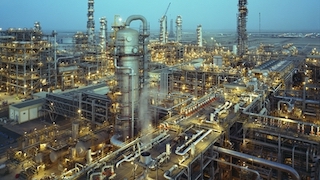
Ukrainian drone strike halts Sibur's Tobolsk complex; Russian LPG exports squeezedGlobal liquefied petroleum gas (LPG) and downstream polyolefin markets face immediate upward pricing pressure following the indefinite shutdown of Russia's largest petrochemical complex, ZapSibNeftekhim, due to a long-range Ukrainian drone strike. |
|
Global liquefied petroleum gas (LPG) and downstream polyolefin markets face immediate upward pricing pressure following the indefinite shutdown of Russia's largest petrochemical complex, ZapSibNeftekhim, due to a long-range Ukrainian drone strike.
The sudden supply disruption structurally constricts Russian export volumes, fundamentally elevating regional pricing floors across both domestic and Asian trade routes.
The attack on the SIBUR-operated facility in Tobolsk, Tyumen region, occurred on Monday, 10 August 2026. Unmanned aerial vehicles struck the site's central gas fractionation unit, situated approximately 2,200 kilometres from the Ukrainian border, forcing a total operational halt while specialists assess the extent of the structural damage.
Granular market metrics indicate severe supply contagion. ZapSibNeftekhim produces roughly 6 million metric tons of LPG annually—accounting for 40% of Russia's total output—alongside 2.5 million metric tons of polymer capacity. Immediate impacts include the suspension of 4,000 metric tons of daily technical propane-butane mix sales on the Saint Petersburg International Mercantile Exchange (SPIMEX).
Furthermore, because half of the facility's fractionated gas is consumed internally as feedstock, the prolonged outage will inevitably cascade into forced shutdowns across the site's integrated downstream petrochemical lines.
Written by: Aiman Haikal