
Oil edged higher as heated US-Iran rhetoric countered selective Hormuz transits
Crude benchmarks edged higher as escalating US-Iran diplomatic tensions and record Saudi premiums overshadowed the marginal relief of isolated vessel transits through the Strait of Hormuz.
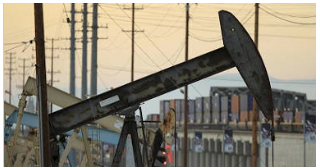
Brent NYMEX
Crude prices edged higher in volatile Monday trading as escalating US-Iran diplomatic rhetoric countered cautious optimism over selective maritime transits. Markets struggled to price in indirect ceasefire negotiations amid Washington's threats of severe kinetic escalation if a Tuesday deadline is missed, which prompted Tehran to reject immediate demands to reopen the Strait of Hormuz.
US WTI crude settled at $112.40 a barrel, up 87 cents (0.78%), maintaining its rare premium over the international benchmark. Brent rose 74 cents (0.68%) to close at $109.77.
Despite the diplomatic impasse, shipping data confirmed Omani, French, and Japanese vessels navigated the chokepoint under Iran's selective transit policy. However, the overarching blockade continues to constrict global physical availability.
This disruption has triggered intense competition between Asian and European refiners for alternative supplies, driving US WTI spot premiums to all-time highs. Meanwhile, Indian refiners postponed maintenance to ensure local supply security.
Continued physical tightness was underscored by Saudi Arabia setting its May Arab Light official selling price to Asia at a record $19.50 premium above the Oman/Dubai average—a stark $17 month-over-month increase.
While OPEC+ agreed to a modest 206,000 bpd May output increase, actual delivery remains constrained by Gulf export limits. Providing marginal relief, Russian supply lines showed recovery signs, with the Ust-Luga Baltic terminal resuming operations and Black Sea exports from Tuapse scheduled to rise in April.
Written by: Aiman Haikal