
Oil slid 2.5% as Middle East export rebound and Yanbu resumption ease supply strain
Global crude oil futures dropped roughly 2.5% on Tuesday as recovering Middle Eastern export flows and the resumption of tanker loadings at Saudi Arabia’s Yanbu port eased supply concerns, though lingering geopolitical risks kept benchmarks on track for monthly gains.
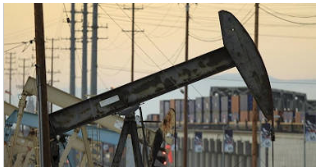
Global crude oil futures dropped roughly 2.5% on Tuesday as recovering Middle Eastern export flows and the resumption of tanker loadings at Saudi Arabia’s Yanbu port eased supply concerns, though lingering geopolitical risks kept benchmarks on track for monthly gains.
|
BENCHMARK |
SETTLE (US$/BBL) |
CHANGE (US$) |
CHANGE (%) |
TREND |
|
Brent ICE, front-month |
102.59 |
−2.69 |
−2.6% |
▼ DOWN |
|
WTI NYMEX, front-month |
89.38 |
−3.22 |
−3.5% |
▼ DOWN |
|
Settlement prices for Tuesday, 29 September 2026. Change versus previous settlement. |
||||
|
BRENT Headed for monthly gain of around 13% |
WTI Slipped below $90 on steep 3.5% drop |
Selling pressure intensified after shipping data confirmed Middle East crude exports rebounded to 16.33 million barrels per day in September—the highest monthly volume since the conflict began in February. Downward momentum was reinforced by Saudi Arabia officially resuming crude tanker loadings from its Red Sea terminal of Yanbu following the operational restart of the East-West Pipeline, blunting regional supply bottlenecks and eroding Iranian leverage in ongoing indirect negotiations.
Despite the sharp pullback, crude benchmarks remained poised for substantial monthly advances, with Brent headed for a 13% rise and WTI up approximately 4% across September. Intraday losses were partially cushioned after US President Donald Trump rejected reports suggesting Washington was prepared to unfreeze Iranian assets or ease sanctions without concrete nuclear concessions, highlighting the wide gulf remaining between the two sides.
Product markets exhibited divergent trends, with European gasoil edging lower while US diesel futures gained 2.6% amid White House proposals to grant regulatory relief for broader sales of untaxed, red-dyed diesel as an alternative to export bans. Although recovering Middle Eastern crude flows have begun to temper immediate feedstock starvation, structural distillate deficits continue to distort global refinery yields, preserving an elevated cost-push baseline across downstream petrochemical cracking operations.
Written by: Aiman Haikal