
Oil gained late on Iran war worries and pre-holiday short-covering, sealing third weekly drop
Global crude oil futures rallied late on Friday as renewed Middle East escalation fears and pre-Thanksgiving short-covering lifted prices, though recovering Gulf exports still locked in a third consecutive weekly decline.
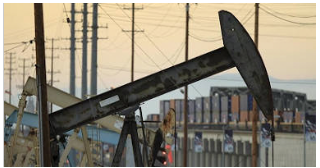
Global crude oil futures rallied late on Friday as renewed Middle East escalation fears and pre-Thanksgiving short-covering lifted prices, though recovering Gulf exports still locked in a third consecutive weekly decline.
|
BENCHMARK |
SETTLE (US$/BBL) |
CHANGE (US$) |
CHANGE (%) |
TREND |
|
Brent ICE, active front-month (Jan) |
92.57 |
+0.59 |
+0.6% |
▲ UP |
|
WTI NYMEX, front-month (Dec)* |
83.98 |
+0.77 |
+0.9% |
▲ UP |
|
Settlement prices for Friday, 20 November 2026. Change versus previous settlement. *Expiring December WTI settled at $83.98; active January WTI closed at $83.41. |
||||
|
BRENT Reclaimed $92.57 on Houthi Red Sea port warnings and short-covering |
WTI Rose to $83.98 on December expiry but still logged 5% weekly loss |
Crude benchmarks reversed intraday losses late in Friday's session as traders squared positions ahead of next week's US Thanksgiving holiday. January Brent gained 59 cents, or 0.64%, to settle at $92.57 a barrel, while expiring December WTI added 77 cents, or 0.93%, to finish at $83.98, narrowing the transatlantic spread to $8.59. Despite the late bounce, Brent fell nearly 4% and WTI 5% on the week.
Fresh maritime threats and Russian refining losses anchored the late rebound. Yemen's Houthis warned workers and vessels to evacuate Saudi Arabia's Red Sea ports, threatening strikes on Jeddah following Thursday's Riyadh missile fire and mine strikes on two tankers in the Strait of Hormuz. Concurrently, analysts warned Russian crude output could drop after Ukrainian drone strikes slashed domestic refinery runs by 45% since late October.
Structural surplus expectations and broader macroeconomic jitters nonetheless kept weekly momentum bearish. Crude shipments through the Strait of Hormuz have recovered to roughly pre-war levels, while an AI-led global equity sell-off—pushing Asian shares to their worst week since 2020—weighed on demand sentiment ahead of OPEC+'s 29 November policy meeting on 2027 output.
Written by: Aiman Haikal