
Oil slipped further as Saudi pipeline repair efforts and Oman export workarounds temper supply fears
The pullback extended Wednesday’s 3% retreat, though both benchmarks recovered from sharp intraday losses of more than $3 a barrel to preserve their foothold above triple digits.
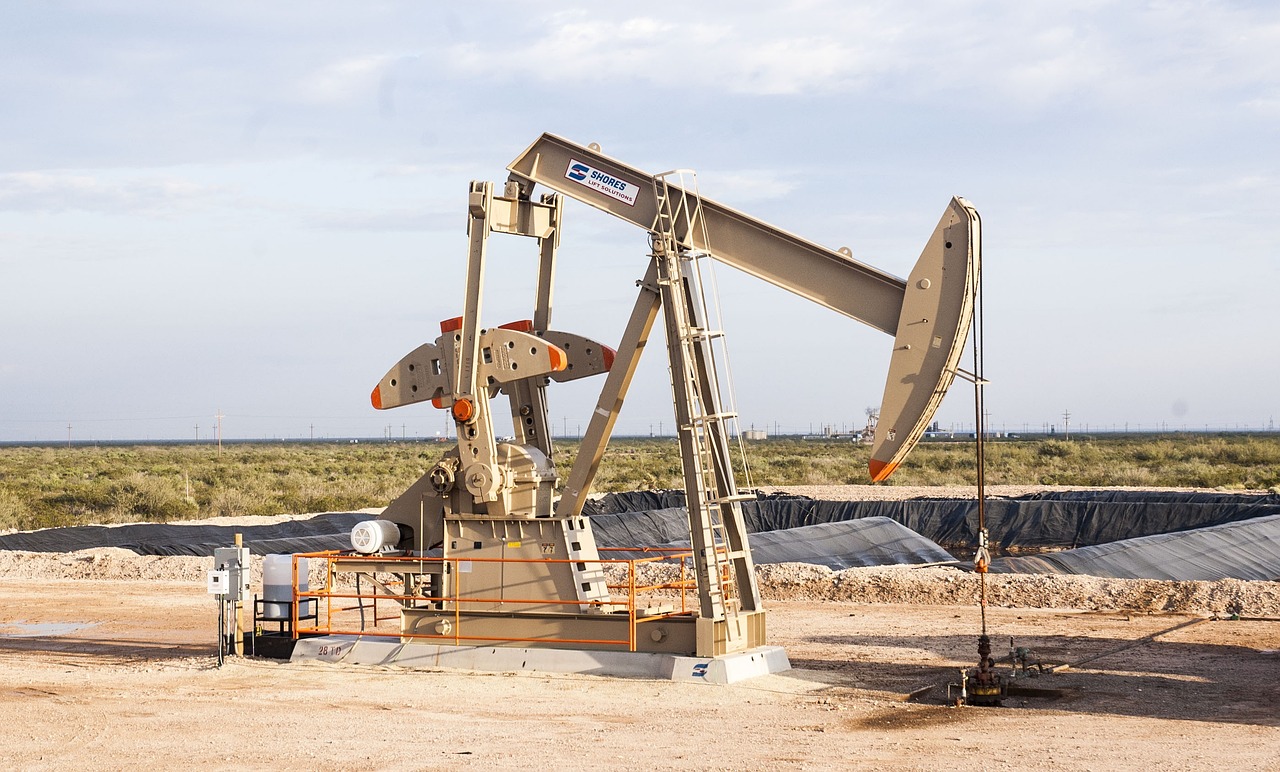
Global crude oil futures settled roughly 1% lower on Thursday, retreating for a second consecutive session but holding firmly above the $100 threshold as Saudi export workarounds and pipeline restoration efforts partially cushioned regional supply anxieties.
International benchmark Brent crude fell $1.01, or 0.95%, to settle at $104.82 a barrel. US West Texas Intermediate (WTI) crude declined 52 cents, or 0.5%, to finish at $101.91 a barrel.
The pullback extended Wednesday’s 3% retreat, though both benchmarks recovered from sharp intraday losses of more than $3 a barrel to preserve their foothold above triple digits.
Selling pressure was driven by reports that Saudi Arabia is attempting to restore approximately half of its East-West Pipeline capacity within days, following drone attacks that damaged three pumping stations. Downward momentum was reinforced by ongoing Saudi crude allocations to Asian refiners via ship-to-ship transfers off Oman’s Sohar port, alongside DBS Bank projections anticipating Brent to moderate to between $85 and $95 a barrel in the fourth quarter on prospective diplomatic de-escalation.
However, sharper price drops were checked by fresh cross-border missile exchanges between Saudi armed forces and Yemeni Houthi fighters, maintaining acute security risks across Red Sea and Gulf energy assets. Physical availability remained severely constrained as commercial tanker transits through the Strait of Hormuz continued to shrink.
Underlying support was further maintained by record tightness in refined product markets. European gasoil and US diesel futures held near all-time highs after a fresh Ukrainian drone strike damaged a major refinery in Yaroslavl, Russia. The persistent squeeze on middle distillates and refinery throughput continues to support baseline crude demand, sustaining elevated feedstock cost-push inflation across downstream petrochemical cracking units.
Written by: Aiman Haikal