
Brent surged past $100 as Hormuz blockage dwarfs UAE OPEC exit
Brent surged back above the $100/barrel threshold on Tuesday, 28 April 2026, as escalating disruptions in the Strait of Hormuz eclipsed the market impact of the United Arab Emirates’s decision to exit OPEC
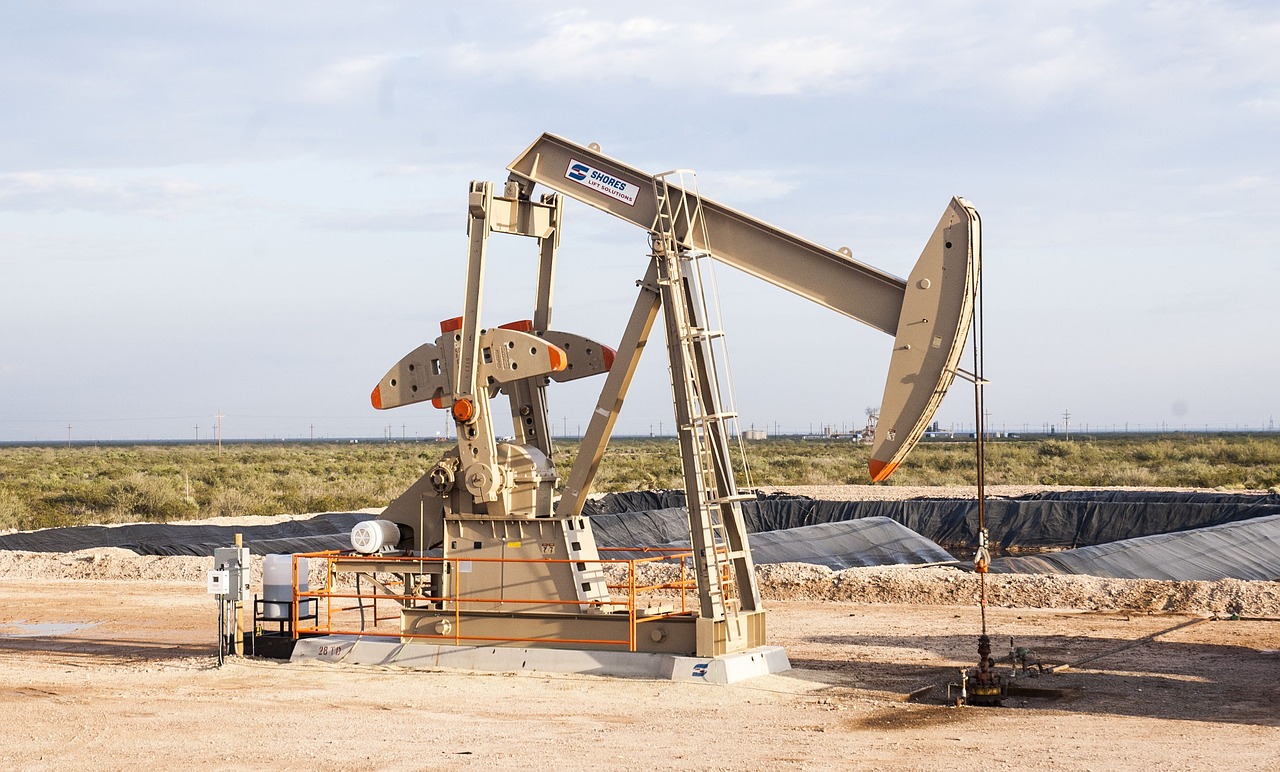
Brent surged back above the $100/barrel threshold on Tuesday, 28 April 2026, as escalating disruptions in the Strait of Hormuz eclipsed the market impact of the United Arab Emirates’s decision to exit OPEC and the broader OPEC+alliance.
Brent crude for June delivery rising by $3.03, or 2.8%, to $111.26 per barrel, marking its seventh consecutive daily gain.
WTI for June climbed $3.56, or 3.7%, to settle at $99.93 per barrel, after briefly breaching the $100 mark earlier in the session for the first time since 13 April.
The upward momentum was primarily driven by intensifying supply concerns linked to the effective closure of the Strait of Hormuz, a critical artery for global crude flows. Market participants remained fixated on the escalating disruption to tanker movements, with ship-tracking data indicating that at least six Iranian oil tankers were forced to reverse course amid a U.S.-led blockade, although limited traffic continued to navigate the region.
Prices, however, pared part of their intraday gains following confirmation that the United Arab Emirates—the fourth-largest producer within OPEC+—would formally exit the alliance effective 1 May. Analysts noted that under normal market conditions, such a decision would have exerted pronounced bearish pressure, potentially triggering a broad selloff. The UAE is widely believed to hold the capacity to ramp up production by between 1.0 million and 1.5 million barrels per day in relatively short order. Nevertheless, the prevailing logistical bottlenecks in the Strait of Hormuz significantly blunted the bearish implications.
Written by: Rochelle Nguyen